

New Zealand Mortgage Market Update: Why Your Advisor Should Be Your First Call
05-Aug-2026
August 2026 has brought a new level of complexity to the New Zealand Mortgage market. Interest rates may be finding some stability, but that does not mean borrowing has become simple. For many Kiwis, the real challenge is no longer just finding a rate. It is finding a lender and lending policy that actually fit their circumstances.
The old approach of walking into your main bank and expecting a straightforward answer is becoming less reliable. Banks are tightening their belts, lending rules are more conservative, and viable borrowers can still find themselves outside a particular bank's box.
That is why mortgage brokers have become essential navigators in the modern New Zealand Mortgage landscape. The verdict is clear: before making decisions about your next loan, talk to your advisor.
Table of Contents
- 📊 A More Complex New Zealand Mortgage Environment
- 🏦 Why Main Banks Are Becoming More Cautious
- 🧭 The Strategic Advantage of a Mortgage Broker
- ✅ Do Not Treat Your Existing Bank as the Only Option
- 📋 The Practical Verdict for Borrowers
- ❓ New Zealand Mortgage FAQs
📊 A More Complex New Zealand Mortgage Environment
The New Zealand Mortgage market is at a pivotal point. Rates have stabilised compared with more volatile periods, yet they remain high enough to put real pressure on affordability, servicing calculations and household budgets.
Stability is welcome, but it should not be confused with ease. When rates stay elevated, the gap between one lending decision and another can be significant. A borrower may be able to meet repayments in practical terms but still fall short under a lender's assessment model, expense assumptions or preferred lending criteria.
That is the central issue. Lending is no longer one-size-fits-all.

Every lender has its own appetite for risk, its own policies and its own way of looking at an application. A decision from one bank is not necessarily a final answer on your borrowing options.
🏦 Why Main Banks Are Becoming More Cautious
Local banks are increasingly risk-averse. Tighter lending rules mean they are applying more scrutiny to applications and making fewer exceptions to standard policy.
For borrowers, this can be frustrating. You may have a solid income, a meaningful deposit, a good repayment history or a workable plan, but a particular bank may still say no because your application does not align with its current criteria.
This is not always a reflection of whether the loan makes sense. It can simply be a reflection of that lender's policy at that moment.
There are several areas where the New Zealand Mortgage process can become more demanding:
- Serviceability assessments: lenders closely test whether repayments remain manageable at their required assessment rates.
- Income treatment: salaries, self-employed income, bonuses and other earnings can be assessed differently from one lender to another.
- Living-expense assumptions: the way a lender interprets household spending can materially affect borrowing capacity.
- Policy fit: a borrower may not suit one bank's rules but may be a strong fit for another lender.
The Reserve Bank of New Zealand's lending restrictions information provides useful context on the wider framework shaping residential mortgage lending. But the practical outcome is straightforward: borrowers need to understand the policy landscape, not just compare a headline interest rate.
🧭 The Strategic Advantage of a Mortgage Broker
A mortgage broker brings two things that a single bank cannot: choice and policy depth.
Rather than assessing your circumstances through one lender's framework, an advisor can consider a broader range of options and identify where your application is most likely to fit. That matters in a market where lender policies can differ just as much as their advertised rates.
Brokers now handle around 70% of new originations. That shift reflects the value of having an expert navigate lending conditions, compare available pathways and help borrowers avoid being limited to the first answer they receive.

In the current New Zealand Mortgage market, an advisor's value is not simply filling out paperwork. It is understanding lender appetite, interpreting policy and positioning an application appropriately.
A good advisor helps you consider questions such as:
- Which lenders are most suitable for my situation?
- How will different lenders assess my income and expenses?
- What loan structure best supports my current position?
- Are there competitive options I may miss by approaching only my existing bank?
✅ Do Not Treat Your Existing Bank as the Only Option
There is nothing wrong with speaking to your bank. The issue is making it your only call.
Your current bank knows your accounts, but it can only offer its own products and work within its own lending policy. It cannot compare its position against the wider lending market for you.
That is why the first conversation in a New Zealand Mortgage decision should be with your advisor. Start with a full view of the available options, then decide which path makes the most sense for you.
This approach is particularly important when refinancing, buying a first home, restructuring existing debt or dealing with a more nuanced income position. The right loan is not always the one with the most familiar logo. It is the one that provides a competitive, workable fit for your circumstances.
📋 The Practical Verdict for Borrowers
The message is simple. Do not assume a bank's first answer is the only answer available to you.
When the New Zealand Mortgage market is complex, the most practical next step is to:
- Call your advisor. Begin with someone who can assess the wider market rather than one lending policy.
- Review your options. Compare loan structures, lender criteria and competitive credit opportunities.
- Secure your future. Make a lending decision based on a clear understanding of what is available and what suits your position.

Interest-rate stability does not remove the need for strategy. If anything, it makes the quality of the lending decision even more important. A New Zealand Mortgage is not just about getting approved. It is about finding the right competitive credit solution for where you are now and where you want to go next.
❓ New Zealand Mortgage FAQs
Why should I speak with a mortgage advisor before my bank?
An advisor can assess a broader range of lender options and policies. Your bank can assess only its own products and criteria, while an advisor can help determine whether other lenders may be a better fit.
Does stable interest-rate pricing mean it is easier to get a New Zealand Mortgage?
Not necessarily. Rates can be stable while lending assessments remain strict. Serviceability tests, income treatment, expenses and lender policy can all affect the outcome.
Why do different lenders give different mortgage answers?
Each lender has its own risk appetite and lending policy. A borrower who does not meet one bank's criteria may still be suitable for another lender.
What does a mortgage broker add to the process?
A broker provides lender choice, policy knowledge and guidance through the application process. In a complex New Zealand Mortgage market, this can help borrowers identify options that may otherwise be missed.
Property Disclosure in New Zealand Real Estate: Rules, Timing, and Best Practice
25-Apr-2026

Property disclosure is a core part of fair real estate practice in New Zealand. It is not just about handing over a form. It is an ongoing process of identifying material information, communicating it clearly before decisions are made, and keeping records that show what was disclosed, when, and how.
For agents, strong property disclosure practices help clients make informed choices and reduce the risk of misleading conduct. For consumers, they support transparency and fairness throughout a transaction.
Table of Contents
- 🏡 What property disclosure means in practice
- ⚖️ Why property disclosure matters under New Zealand real estate rules
- 🧭 The core property disclosure framework: prepare, provide, record
- ⏰ When property disclosure should happen
- 📝 What counts as material information?
- 🗣️ How to communicate property disclosure clearly
- 🔍 Conflicts of interest and transparency
- 🚫 Preventing misleading conduct
- 📂 Record-keeping expectations for property disclosure
- ✅ A practical property disclosure checklist
- ⚠️ Common property disclosure mistakes
- 📌 Best practice takeaway
- ❓Frequently asked questions
🏡 What property disclosure means in practice
Property disclosure is the act of giving relevant information to clients in a way that is clear, timely, and understandable. In real estate, that means connecting day to day conversations and transaction steps with legal and professional obligations.
At a practical level, property disclosure involves three linked responsibilities:
- Preparing by checking what information is material and whether any interests or conflicts need to be revealed.
- Providing information clearly in plain language before a client makes a decision.
- Recording and reviewing what was disclosed and how the communication took place.
This matters because disclosure is not effective if information is vague, late, or poorly documented.

⚖️ Why property disclosure matters under New Zealand real estate rules
In New Zealand, property disclosure sits alongside obligations under the Real Estate Agents Act 2008 and the REA Code of Conduct. The key idea is simple: clients should receive material information in time to make informed choices, and real estate professionals should avoid conduct that could mislead or create unfairness.
Good disclosure supports:
- Informed decision-making by clients
- Transparency about relevant facts and interests
- Fair dealing across the transaction
- Compliance with professional and legal obligations
- Reliable records if questions arise later
A common mistake is treating property disclosure as a single document or a one-off step. In reality, it should continue throughout the transaction as new information arises or decisions approach.
🧭 The core property disclosure framework: prepare, provide, record
A simple way to apply property disclosure consistently is to follow a three-stage framework.
1. Prepare
Before communicating with a client, identify:
- What information is material
- What must be disclosed
- Whether there are personal or professional interests that create a conflict or require transparency
This first stage is about checking facts and risks before advice or recommendations are given.
2. Provide
Communicate the information:
- In plain language
- At the right time, before a decision is made
- In a way that confirms the client understands what they have been told
Effective property disclosure is not simply sending information. It includes taking reasonable steps to make sure the message is clear.
3. Record and review
Keep a record of:
- What was disclosed
- When it was disclosed
- How the communication occurred
Reviewing those records helps support compliance and shows that property disclosure was handled as part of a proper process rather than an afterthought.

⏰ When property disclosure should happen
Timing is one of the most important parts of property disclosure. Information should be given before the client makes a decision that depends on it.
That means disclosure should happen early enough to be useful, not after commitments have already been made.
As a general principle, property disclosure should be:
- Early enough to inform choices
- Clear enough to avoid misunderstanding
- Updated if relevant new information emerges
- Recorded so the timing can be verified later
Late disclosure can undermine fairness, even if the information is technically provided.
📝 What counts as material information?
For property disclosure, material information is information that matters to a client’s decision-making. If knowing a fact could influence whether a client proceeds, delays, asks more questions, or changes course, it should be treated seriously.
A practical test is to ask:
- Could this affect a client’s decision?
- Would a client reasonably want to know this before acting?
- Does this create a need for greater transparency?
Property disclosure starts with identifying what is material, rather than waiting for problems to arise later.
🗣️ How to communicate property disclosure clearly
Even accurate information can fail as property disclosure if it is hard to understand. Plain language is essential. Clients should be able to grasp the significance of the information before they decide what to do next.
Useful communication habits include:
- Using straightforward wording instead of jargon
- Explaining why the information matters
- Checking understanding rather than assuming it
- Providing disclosure before decisions, not after
Clarity is part of compliance. Property disclosure is not just about what is said, but whether it is communicated in a way that supports informed choice.

🔍 Conflicts of interest and transparency
Property disclosure also applies to interests that may affect trust, independence, or fairness. Personal or professional interests can create conflicts that need to be made transparent.
Before advising or progressing a transaction, check whether there is any interest that should be disclosed. If there is, transparency should come early, clearly, and in a recorded form.
This helps clients assess the situation with full knowledge of factors that may be relevant to the relationship or the transaction.
🚫 Preventing misleading conduct
One of the central reasons for strong property disclosure is to reduce the risk of misleading conduct. Problems often arise not only from false statements, but also from incomplete, delayed, or unclear communication.
Risk increases when someone:
- Assumes a client already understands
- Delays sharing relevant information
- Uses unclear language
- Fails to document what was said
- Treats disclosure as a formality instead of a process
A fair process requires more than technical compliance. It requires communication that genuinely helps the client make an informed decision.
📂 Record-keeping expectations for property disclosure
Record-keeping is a practical safeguard in any property disclosure process. Good records support consistency, accountability, and compliance.
Your file should show:
- What information was disclosed
- When it was disclosed
- How it was communicated
- Whether understanding was confirmed, where relevant
These records are valuable because they create a clear timeline of disclosure actions. If there is a later complaint, question, or review, documentation helps establish what actually happened.
✅ A practical property disclosure checklist
Use this checklist to make property disclosure more consistent in everyday real estate work.
- Identify material information before key discussions begin.
- Check whether any interests or conflicts require transparency.
- Decide what must be disclosed and to whom.
- Communicate in plain language that the client can readily understand.
- Disclose before decisions are made.
- Confirm the client understands the significance of the information.
- Document the disclosure, including what, when, and how.
- Review the file if the transaction changes or new information emerges.
⚠️ Common property disclosure mistakes
Many disclosure failures come from process gaps rather than bad intentions. Common mistakes include:
- Leaving disclosure too late
- Assuming disclosure is a single form
- Using technical language without explanation
- Failing to identify conflicts early
- Not checking client understanding
- Poor record-keeping
If you want property disclosure to be reliable, it must be built into the transaction process from the start, not added at the end.
📌 Best practice takeaway
The most effective property disclosure approach is simple: prepare carefully, communicate clearly, and document thoroughly. When disclosure is timely, understandable, and well recorded, it supports informed choices and consumer fairness across the transaction.
Property disclosure works best when treated as an ongoing professional discipline, not a one-time task.
❓Frequently asked questions
Is property disclosure a one-off document?
No. Property disclosure should be treated as an ongoing process. Information needs to be identified, communicated at the right time, and documented throughout the transaction as required.
Why is timing so important in property disclosure?
Timing matters because disclosure only helps if the client receives the information before making a decision. Late disclosure can undermine informed choice and fairness.
What makes information material for property disclosure?
Information is material if it could affect a client’s decision-making. If a client would reasonably want to know it before acting, it should be assessed carefully for disclosure.
Does property disclosure include conflicts of interest?
Yes. Personal or professional interests that create a conflict, or could reasonably require transparency, should be considered as part of the disclosure process.
How should property disclosure be communicated?
It should be communicated clearly, in plain language, and in a way that supports understanding before a decision is made. Clear communication is a key part of effective property disclosure.
What records should be kept for property disclosure?
Records should show what was disclosed, when it was disclosed, and how the communication occurred. Good record-keeping supports compliance and helps demonstrate a fair process.
Conjunctional Property Sales: A Faster, More Disciplined Way to Bundle REA Offers
20-Apr-2026

Conjunctional property sales work best when they are handled with discipline, not as a loose collection of separate deals. That is exactly where REA Conjunctional Sales creates value. By bundling eligible REA products and services into one coordinated offer, we reduce friction across approvals, paperwork, contracting, and delivery.
Instead of treating every component as its own standalone process, we bring everything together early. We confirm eligibility up front, align commercial terms, and use a standard sign-off approach. The outcome is practical and immediate: faster decisions, fewer contract reworks, stronger documentation, and a better experience for customers and internal teams alike.
Table of Contents
- 📦 What REA Conjunctional Sales actually means
- ✅ Why eligibility needs to be confirmed up front
- 🤝 Aligning commercial terms before they become a problem
- 📝 Standardising sign-off to speed up decisions
- 🔁 Fewer contract reworks, less operational friction
- 📁 The value of a single handover pack
- 🚀 How this improves the customer experience
- 📊 Why predictability matters for internal stakeholders too
- 🧭 The disciplined approach behind better conjunctional property sales
- ❓FAQ
📦 What REA Conjunctional Sales actually means
At its core, REA Conjunctional Sales is a structured way to package multiple eligible REA products and services into a single coordinated offer.
That matters because conjunctional property sales can easily become messy when every product line is handled separately. Different approvals, different paperwork, different commercial conversations, and different handover steps all create delay. What should feel like one customer solution starts behaving like several disconnected transactions.
REA Conjunctional Sales replaces that fragmentation with a more deliberate model. We coordinate the offer as one combined commercial package, so the process is clearer from the start and easier to manage all the way through.
✅ Why eligibility needs to be confirmed up front
One of the most important parts of conjunctional property sales is verifying eligibility early.
If we skip that step, problems tend to show up later when they are more expensive and harder to fix. Teams can spend time preparing offers, pushing for approval, or drafting contracts only to discover that one component does not fit the required criteria.
By checking eligibility up front, we create a cleaner path forward. Everyone involved knows which products and services can be bundled, and that removes uncertainty before the deal progresses too far.
This early discipline does two things particularly well:
It avoids unnecessary rework later in the sales cycle.
It gives teams confidence that the coordinated offer is viable from the beginning.
For conjunctional property sales, that up-front clarity is one of the biggest reasons the process moves faster.
🤝 Aligning commercial terms before they become a problem
Bundling products is only part of the equation. The commercial terms behind those products also need to line up.
In conjunctional property sales, delays often happen when terms are negotiated in isolation. One component may be commercially ready while another still needs clarification, approval, or adjustment. That creates inconsistency, and inconsistency creates friction.
REA Conjunctional Sales addresses this by aligning commercial terms across the coordinated offer. Rather than trying to reconcile separate arrangements at the end, we sort out the key commercial settings as part of the bundle itself.
This leads to a stronger overall offer because:
teams are working from the same commercial understanding,
internal review becomes more straightforward, and
customers receive a more coherent proposal.
That alignment is a major reason conjunctional property sales can be executed with less confusion and more consistency.
📝 Standardising sign-off to speed up decisions
A disciplined process is not just about what gets bundled. It is also about how decisions get made.
When approvals and sign-off vary from one component to the next, even simple deals can slow down. Different decision paths create bottlenecks, and bottlenecks create waiting time.
With REA Conjunctional Sales, sign-off is standardised. That means teams are not reinventing the approval process every time a bundled offer is put together. There is a clearer path to decision-making, and the process becomes easier to repeat at scale.
The benefit here is straightforward: faster decision-making.
That speed is not coming from cutting corners. It comes from removing avoidable complexity. In conjunctional property sales, that distinction matters. We are not reducing rigour. We are improving the way rigour is applied.
🔁 Fewer contract reworks, less operational friction
One of the most practical gains in conjunctional property sales is the reduction in contract rework.
Whenever offers are built in separate pieces, contracts often have to be revised to account for missing information, conflicting terms, or shifting approvals. Every revision creates extra administrative effort and increases the chance of errors.
REA Conjunctional Sales lowers that risk by coordinating the offer before it reaches the contracting stage. Because eligibility has been checked, commercial terms have been aligned, and sign-off has been standardised, contracts are less likely to bounce back for correction.
This creates a smoother path through the commercial process and removes a lot of unnecessary operational drag.
📁 The value of a single handover pack
Another key strength of this model is the use of a single handover pack.
For conjunctional property sales, handover can be a weak point if information is scattered across teams, documents, or systems. Delivery stakeholders then have to piece together what was sold, what was approved, and what needs to happen next.
A single handover pack brings those details together in one place. That improves continuity between sales and delivery and reduces the chance of information being lost or misunderstood.
When the handover is consolidated, we see two clear improvements:
Documentation accuracy improves, because the relevant information is captured in a coordinated format.
Delivery timelines become more predictable, because internal stakeholders are working from the same complete package.
That predictability is valuable for everyone involved, especially in conjunctional property sales where multiple products and services need to move together.
🚀 How this improves the customer experience
While the internal process benefits are significant, the customer experience is just as important.
Customers do not want to feel the complexity behind a bundled offer. They want clarity, speed, and confidence. If teams are handling approvals separately, revising contracts repeatedly, or passing incomplete information into delivery, the customer experience becomes uneven.
REA Conjunctional Sales helps create a smoother journey. The offer is more coordinated, decisions happen faster, and delivery is better prepared. The result is a process that feels more joined-up from the customer side.
That is one of the real strengths of conjunctional property sales when they are done properly. The internal discipline translates into an external experience that feels simpler and more dependable.
📊 Why predictability matters for internal stakeholders too
It is easy to think about bundled sales only from a customer perspective, but internal stakeholders benefit just as much from a more structured model.
When handover is cleaner and documentation is more accurate, teams downstream are not left filling in gaps. Delivery becomes easier to plan. Expectations are clearer. Timelines become more reliable.
That predictability matters because conjunctional property sales involve coordination. The more coordinated the offer is at the start, the easier it is for internal teams to execute against it later.
In practice, this means less confusion, fewer surprises, and a more stable operating rhythm across the business.
🧭 The disciplined approach behind better conjunctional property sales
If we strip it back, the value of REA Conjunctional Sales comes from discipline.
It is not simply about combining products. It is about combining them in a way that is commercially aligned, operationally consistent, and easier to deliver.
The model works because it brings together a few essential practices:
verify eligibility up front,
align commercial terms early,
standardise sign-off,
reduce contract rework, and
hand over through one coordinated pack.
When those elements are in place, conjunctional property sales become faster, cleaner, and more predictable. And when a process is more predictable, it becomes easier to scale without sacrificing quality.
❓FAQ
What are conjunctional property sales?
Conjunctional property sales are bundled offers that combine eligible products and services into one coordinated commercial package. In the REA context, this approach is designed to simplify approvals, contracting, and handover.
Why is eligibility checked at the start?
Checking eligibility up front prevents teams from investing time in offers that later need to be changed or undone. It reduces rework and gives everyone confidence that the bundled deal can move forward properly.
How does REA Conjunctional Sales speed up decision-making?
It speeds up decision-making by aligning commercial terms early and standardising sign-off. Instead of managing approvals separately for each part of the offer, teams follow a more consistent process.
What is the benefit of a single handover pack?
A single handover pack improves documentation accuracy and helps delivery teams work from one complete source of information. That makes timelines more predictable for customers and internal stakeholders.
How does this improve the customer experience?
Customers benefit from a smoother and more coordinated process. There are fewer delays, fewer contract changes, and a clearer path from offer through to delivery.
e-Agent Benefits: Why Online CPD Is One of the Smartest Ways to Keep Growing
16-Apr-2026

e-Agent Benefits are easy to see when you look at what online Continuing Professional Development can actually do for your career and personal growth. Online CPD is not just a convenient alternative to traditional learning. It is a flexible, practical, and often more affordable way to build relevant skills, access expert guidance, and stay current in a fast-moving professional world.
For anyone serious about improving their knowledge without putting the rest of life on hold, online CPD brings together accessibility, variety, and real-world value in one place.
Table of Contents
- 📚 What online CPD really offers
- ⏰ Flexibility that fits around real life
- 🧭 A wider range of courses and topics
- 💷 A more cost-effective way to learn
- 🎓 Access to expert instructors and quality resources
- 🖱️ Interactive learning that improves engagement
- 📈 Staying current with industry trends and advancements
- 🚀 Why online CPD supports both career and personal growth
- ✅ The key benefits at a glance
- ❓FAQ
- 🌟 Final thoughts
📚 What online CPD really offers
Continuing Professional Development is about ongoing learning. It helps you sharpen existing skills, develop new ones, and keep up with changes in your field. When that learning moves online, it becomes much easier to fit into everyday life.
That is where many of the strongest e-Agent Benefits come in. Instead of being tied to a physical classroom, fixed timetable, or expensive training day, online CPD gives you more control over how, when, and where you learn.
At its best, it supports both professional progress and personal development. You are not only maintaining competence. You are actively building momentum.
⏰ Flexibility that fits around real life
One of the biggest advantages of online CPD is flexibility. This matters more than ever because most people are balancing more than one responsibility at once. Work, family, commuting, appointments, and everyday life all compete for time.
Online learning helps remove that pressure by allowing you to study at your own pace and on your own schedule.
- You can learn early in the morning, late in the evening, or during spare time in the day.
- You can move more quickly through familiar material.
- You can slow down when a topic needs more attention.
- You can fit development around your job instead of stepping away from it.
This flexibility is one of the most practical e-Agent Benefits because it turns professional development from something difficult to arrange into something far more achievable.
🧭 A wider range of courses and topics
Another major reason online CPD stands out is choice. Traditional learning options can be limited by geography, local availability, or scheduling. Online platforms open that up dramatically.
You can usually access a broad range of courses that cater to different fields, levels of experience, and professional interests. That variety makes it easier to find learning that is genuinely relevant to your role and goals.
Instead of settling for whatever happens to be available nearby, you can look for training that aligns with:
- Your industry
- Your current role
- Your career ambitions
- Your personal interests
- The skills your sector now expects
This breadth of choice is part of what makes e-Agent Benefits so compelling. Development becomes more personalised, more targeted, and more useful.
💷 A more cost-effective way to learn
Cost is often a barrier to professional development, especially when traditional learning includes travel, printed materials, venue costs, or time away from work.
Online CPD is often more cost-effective because many of those extra expenses disappear.
- No travel costs
- No accommodation costs
- Reduced spending on physical materials
- Less disruption to your work schedule
That makes learning more accessible for individuals and often more scalable for organisations as well. When development becomes more affordable, it becomes easier to continue learning consistently instead of treating it as a one-off expense.
Among the clearest e-Agent Benefits is this simple fact: online CPD can deliver meaningful learning without the added financial weight that often comes with in-person training.
🎓 Access to expert instructors and quality resources
Good professional development depends on the quality of the teaching and the learning materials behind it. Online CPD can give you access to expert instructors and resources that might otherwise be out of reach.
That means location is less of a limitation. You are no longer restricted to whoever happens to be teaching nearby. Instead, online platforms can connect learners with specialists, experienced trainers, and structured resources designed to support better understanding.
This is one of the more powerful e-Agent Benefits because expertise matters. The right guidance can help you learn faster, avoid confusion, and apply knowledge more confidently in real professional settings.
🖱️ Interactive learning that improves engagement
One common misconception is that online learning is passive. In reality, many online CPD platforms include interactive features that make the experience more engaging.
Interactive elements can help improve both attention and retention. When learning asks you to participate rather than just absorb information, it is often easier to stay focused and remember what you have learned.
That engagement matters. Professional development works best when it is not simply completed, but understood and retained.
This is another area where e-Agent Benefits become clear. Online CPD is not just about convenience. It can also support a more active and effective learning experience.
📈 Staying current with industry trends and advancements
Industries do not stand still. Standards change, tools evolve, best practices shift, and expectations rise. If your knowledge stays frozen, your skills can quickly start to feel dated.
Online CPD helps you stay current with industry trends and advancements so your abilities remain relevant.
That relevance is critical. Professional growth is not only about learning something new once. It is about continuing to adapt as your field changes. Regular online CPD can help you:
- Keep your skills up to date
- Respond to changes in your profession
- Maintain confidence in your knowledge
- Strengthen your long-term career prospects
When people talk about e-Agent Benefits, this is one of the most important points. Ongoing learning helps make sure your professional value does not fall behind the pace of change.
🚀 Why online CPD supports both career and personal growth
The value of online CPD goes beyond ticking a professional box. Yes, it can help with career progression, skill relevance, and employability. But it also supports something broader: personal growth.
Learning regularly builds confidence. It can renew motivation, expand your perspective, and help you feel more capable in your work. It also creates a sense of forward movement, which is especially important in busy careers where development can otherwise feel easy to postpone.
That combination of practical outcomes and personal progress is what makes the broader e-Agent Benefits so worthwhile.
- Professionally, you stay informed, skilled, and competitive.
- Personally, you keep growing, learning, and challenging yourself.
✅ The key benefits at a glance
Online CPD offers a strong mix of advantages that are hard to ignore. The main e-Agent Benefits include:
- Flexibility to learn at your own pace and on your own schedule
- Variety through a wide range of courses across different fields and interests
- Affordability by reducing costs linked to travel and materials
- Expert access to knowledgeable instructors and valuable resources
- Interactive learning that supports engagement and retention
- Relevance through staying up to date with trends and advancements in your industry
Taken together, these benefits make online CPD a practical and effective way to invest in your future.
❓FAQ
What does CPD mean?
CPD stands for Continuing Professional Development. It refers to ongoing learning that helps you maintain and improve your professional knowledge, skills, and competence.
Why is online CPD so popular?
Online CPD is popular because it is flexible, accessible, and often more affordable than traditional classroom-based learning. It allows people to fit development around their existing commitments.
How do e-Agent Benefits relate to online CPD?
e-Agent Benefits relate closely to the strengths of online CPD, especially flexibility, broader course access, lower costs, expert-led learning, interactive features, and the ability to stay current in your field.
Is online CPD only useful for career progression?
No. While it is highly valuable for career development, online CPD also supports personal growth by building confidence, expanding knowledge, and encouraging continuous learning.
Can online CPD help keep skills relevant?
Yes. One of the biggest advantages of online CPD is that it helps you stay updated with industry trends and advancements, which is essential for keeping your skills relevant over time.
🌟 Final thoughts
If you want a learning approach that is practical, affordable, and built for modern professional life, online CPD is a strong choice. It gives you the freedom to learn on your terms while still gaining access to quality teaching, useful resources, and current industry knowledge.
The most valuable e-Agent Benefits come down to this: online CPD makes growth easier to sustain. And when learning becomes easier to sustain, career progress and personal development become much more achievable.
Embracing online CPD is a smart step for anyone who wants to keep improving, stay relevant, and continue moving forward.
How to Crush Your Next Property Auction: Practical Steps for Confident Results
21-Jan-2026

Facing a property auction can feel overwhelming, but it becomes straightforward when you treat it like any other business process. A successful property auction starts with preparation, relies on accurate pricing, and finishes with calm, purposeful bidding. This guide breaks those elements down so you can turn auction day nerves into clear results.
Table of Contents
- 🗂️ Preparation: the foundation of auction success
- 📈 Pricing and market data: remove guesswork
- 🎯 Auction day strategies: how to bid and communicate
- ⚠️ Common mistakes and how to avoid them
- 🔧 Upskilling and continuous improvement
- 💡 Quick checklist before auction day
- ❓ Frequently asked questions
- 🏁 Final thought
🗂️ Preparation: the foundation of auction success
Preparation separates the winners from the wishful thinkers. Whether you represent the vendor or the buyer, have these basics locked in before stepping into the room.
- Set realistic expectations — Know the likely range for sale or maximum bid. Over-optimism kills momentum; realism creates strategy.
- Gather every fact — Title, surveys, building reports, zoning, recent comparable sales and any restrictions. Documents answer questions before emotions do.
- Paperwork sorted — For bidders, ensure finance pre-approval and identity checks are complete. Vendors need marketing and legal documents ready to show buyers confidence in the sale.
- Plan roles — Who speaks for the vendor? Who monitors online interest? Clear responsibilities prevent last-minute chaos.
📈 Pricing and market data: remove guesswork
Pricing is your compass for a smooth property auction. Use concrete market data to guide vendor expectations and to set sensible bid thresholds for buyers.
Build a pricing sheet that includes recent sales, days on market, and current competing listings. For vendors, show how pricing strategy can generate early competitive bidding rather than scaring buyers away. For buyers, map out your walk-away price and your staged increments so emotion does not override logic.
🎯 Auction day strategies: how to bid and communicate
Auction day is about control, clarity and reading the room. The right tactics can convert nerves into advantage.
- Anchoring — Start bids or reserve positioning to set expectations. A well-chosen anchor steers the auction psychology in your favor.
- Clear communication — Speak succinctly and confidently. If you represent a party, communicate intentions and status updates crisply so participants trust the process.
- Read the room — Watch body language and listening patterns. When momentum shifts, adapt quickly rather than sticking to a rigid script.
- Prepared escalation — Have predefined increments and signals for increasing bids. That prevents panic decisions under pressure.
⚠️ Common mistakes and how to avoid them
Many auction day problems are avoidable. Expect them, and you won’t be surprised.
- Under-preparation — Missing documents or unclear roles create doubt and lost opportunities.
- Poor pricing — Overpricing reduces bidder interest; underpricing leaves money on the table. Data solves both.
- Emotional bidding — Buyers without a plan often overpay. Vendors who react to single bids can collapse their own leverage.
- Weak communication — Ambiguity breeds mistrust. Keep instructions and announcements direct.
🔧 Upskilling and continuous improvement
Skills matter. Regularly review auction outcomes, collect feedback from bidders and vendors, and refine your scripts and paperwork. Consider targeted training like auction mastery courses to practice real scenarios and build confidence quickly.
💡 Quick checklist before auction day
- Confirm all legal and inspection documents
- Set clear pricing guidance for vendors
- Ensure bidders have finance and ID ready
- Assign roles and communication cues
- Prepare bidding increments and anchoring plan
❓ Frequently asked questions
What is the most important thing to prepare for a property auction?
Clear documentation and realistic pricing are the two most important elements. Documents build trust; pricing guides behaviour. Together they create a smooth, competitive property auction.
How should a buyer decide their maximum bid?
Use recent sales and your budget to set a firm walk-away price. Add a small buffer for negotiation psychology, but do not exceed your pre-approved finance limit. Plan increments so you can signal intent without impulsivity.
How can a vendor attract competitive bidding?
Price to create interest, present complete disclosure, and run a targeted marketing campaign. A qualified and engaged bidder pool is often the deciding factor in achieving a strong auction result.
Are auctions better than private sale?
Auctions are powerful when the market is active and you want a defined sale date and transparency. Private sale can work better in quieter markets or where buyers need time to decide. Choose based on strategy, not trend.
🏁 Final thought
Treat a property auction like any strategic negotiation: prepare, use data, communicate clearly and stay calm. With the right checklist and mindset, auctions become predictable and profitable rather than nerve-wracking. Practice these steps and auctions will start to feel like your advantage.
Find A CPD Course |
|
Over 100 To Select From |
| Click me |
e-agent customer support: holiday hours, contacts and what they can help with
17-Dec-2025
Table of Contents
- Overview
- How to get in touch
- What e-agent customer support can help with
- Important note about policy and authority confirmation
- Practical tips for efficient support calls
- Frequently asked questions
- Final note
Overview
e-agent customer support will be available throughout the holiday period, operating every day from 9 a.m. until 9 p.m. That means help is on hand daily if you need assistance with account queries, CPD refreshes or course information.
How to get in touch
If you need direct assistance, use the following contact options. These are the details provided by e-agent customer support for the holiday period.
- Phone: 098897653
- Taylor (mobile): 022-430-3722
- Email: support Help@e-agent.nz
What e-agent customer support can help with
The support team is set up to assist with a range of common needs:
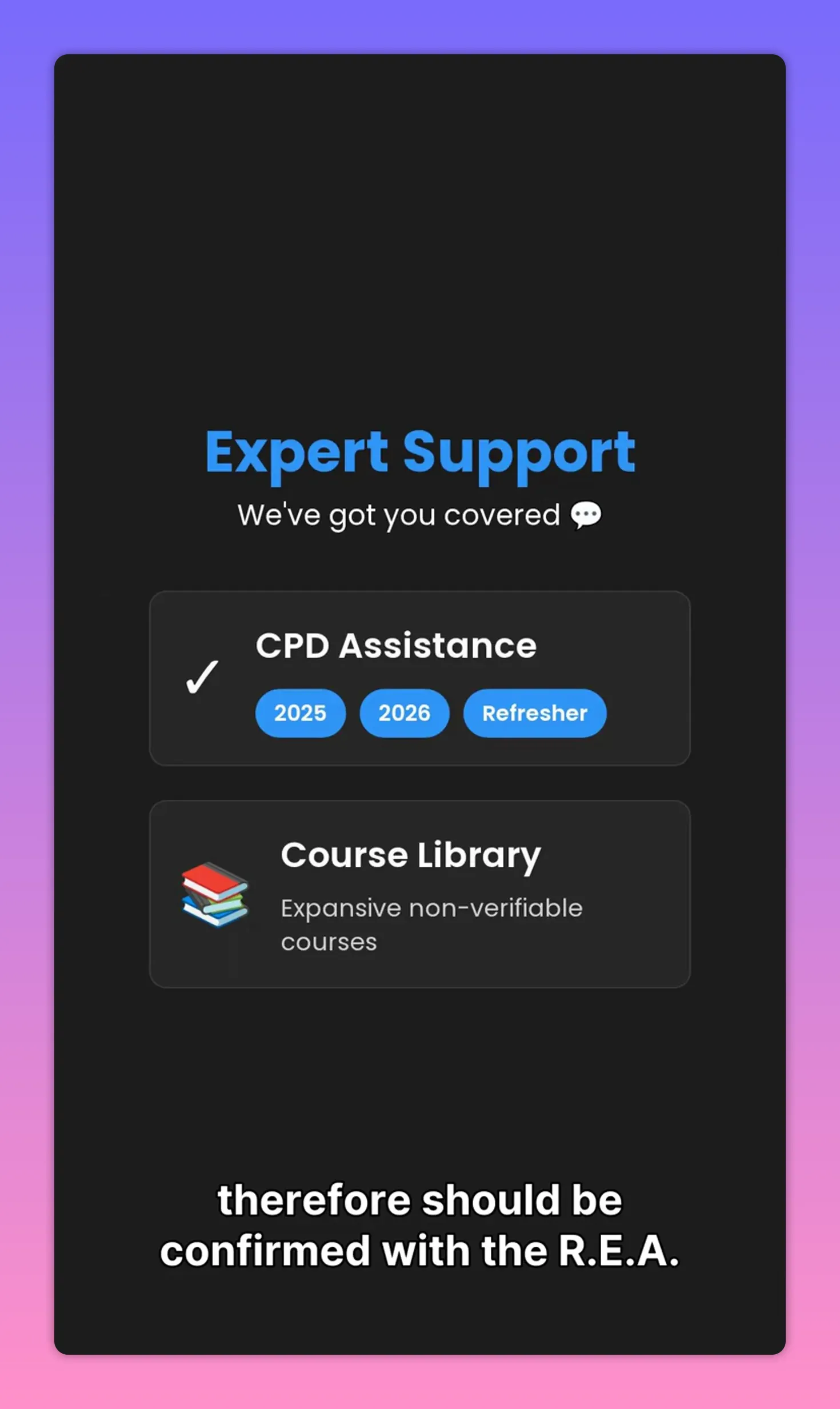
- Questions about the 2025-2026 period and related processes.
- Refreshing your CPD and guidance on continuing professional development options.
- Information about the expansive, non-verifiable course library and how to access those resources.
Important note about policy and authority confirmation
Support staff can provide practical assistance and information, but their guidance does not represent or guarantee agreement with the current real estate authority policy. For any compliance-related or policy-specific confirmations, please check directly with the Real Estate Authority.
Practical tips for efficient support calls
- Have your account details ready before calling or emailing.
- Write down specific questions about CPD or the course library so the support team can address them quickly.
- If your issue concerns policy or regulatory interpretation, note that the support response should be verified with the Real Estate Authority.
Frequently asked questions
When is e-agent customer support open during the holidays?
Support is open every day during the holiday period from 9 a.m. until 9 p.m.
What are the best contact methods for quick help?
You can call 098897653, contact Taylor on 022-430-3722, or email the support address listed by the team.
Can e-agent customer support help me with CPD and courses?
Yes. The team can assist with refreshes for CPD and answer questions about the non-verifiable course library.
Is the support team advice the same as Real Estate Authority policy?
No. Assistance from e-agent customer support does not represent or assure agreement with current Real Estate Authority policy. Always confirm policy matters directly with the Real Estate Authority.
Final note
The team at e-agent customer support wishes you a happy holiday break and stands ready to help within the hours noted. If you need immediate assistance, use the contact details above and keep policy confirmations linked to the Real Estate Authority.
Find A CPD Course |
|
Over 100 To Select From |
| Click me |
Rental Property Compliance: What Every New Agent Needs to Know
09-Dec-2025

Rental Property Compliance isn't just a line on a checklist — it's a reputation-maker. Landlords expect you to know what legislation applies, when standards change and how to turn requirements into actionable work. Get ahead on the rules and you protect your clients and your business.
Table of Contents
- 📌 Why Rental Property Compliance matters
- 📅 Stay on top of deadlines
- 🧰 Make compliance part of every property check
- 🤝 Explain why it matters to clients
- 🎓 Use compliance as an advantage
📌 Why Rental Property Compliance matters
Compliance affects tenants, landlords and you. Healthy home standards, insulation minimums and functioning smoke alarms are not optional. They reduce risk, prevent fines and make properties easier to let.

Think of your role as a bridge between property owners and legislation: your advice translates legal requirements into practical tasks. The better you do that, the more trusted you become.
📅 Stay on top of deadlines

Deadlines move. Healthy Homes timelines change and so do local rules. Missing a date can be costly. Use these simple routines to stay ahead:
- Maintain a compliance calendar. Put all key dates for each property in one place and sync it with reminders.
- Subscribe to official updates. Government and regulator newsletters flag changes early.
- Standardise documentation. Keep copies of certifications, invoices and inspection reports for every property.
🧰 Make compliance part of every property check

Compliance is not a final tick box. Build it into your inspections and communications:
- Create a checklist that covers core legal items: insulation, ventilation, heating, smoke alarms and any jurisdiction-specific requirements.
- Document with photos and timestamps so you can evidence work done or issues found.
- Flag non-compliant items immediately and suggest practical next steps and rough costs where possible.
Doing this consistently saves time and reduces drama later. It also shows landlords you are proactive rather than reactive.
🤝 Explain why it matters to clients

"Don't just tell your clients what's needed. Explain why it matters. It builds trust."
Clients respond to context. When you explain the health, legal and financial reasons behind an action, they are more likely to commission the work promptly. Use plain language:
- Describe the tenant benefit: warmer, safer, cheaper to run.
- Outline the legal risk: fines, enforcement notices and possible reputational damage.
- Show the cost benefit: small upgrades can prevent larger bills later.
🎓 Use compliance as an advantage

Learning about Rental Property Compliance is also a business opportunity. Offer compliance audits, include certificates in marketing packs and use your knowledge as a selling point to attract landlords who value low-risk tenancies.
Continuing professional development can deepen your expertise. Non-verifiable CPD that is accepted by industry bodies helps you demonstrate commitment and stay current.
What are the core areas I must check for rental property compliance?
Focus on the basics: healthy home standards, insulation, heating and ventilation, functioning smoke alarms, and any local statutory requirements. Keep records for each area and document with photos.
How do I keep up with changing Rental Property Compliance deadlines?
Use a shared compliance calendar, subscribe to regulator updates and set automated reminders. Review your portfolio at regular intervals and update landlords proactively when rules change.
How can I make compliance part of my inspection process?
Create a standardised checklist, take timestamped photos, note required fixes and include a prioritised action plan in every property report you send to landlords.
Can compliance expertise help grow my business?
Yes. Positioning yourself as the agent who simplifies Rental Property Compliance attracts quality landlords, reduces vacancy time and protects your reputation. Offer audits and clear advice as value-added services.
Make compliance your advantage. Help your clients by translating rules into clear steps, protect your business by staying organised, and build trust by explaining why each requirement matters. The small effort you put into compliance today pays off in fewer problems and stronger relationships tomorrow.
Find A CPD Course |
|
Over 100 To Select From |
| Click me |
Property valuation: Why strong communication with valuers matters
26-Nov-2025

Property valuation sits at the centre of many real estate transactions. As a New Zealand real estate agent, your ability to communicate with valuers can protect deals, reduce surprises and create fair outcomes for clients. Strong communication does not mean arguing numbers. It means building trust, sharing evidence and working toward a common conclusion.

Table of Contents
- Build rapport with valuers 🤝
- When numbers don't match: handle discrepancies calmly 🔍
- Practical communication checklist 🧰
- Why a trusted partnership matters 💡
- FAQ ❓
Build rapport with valuers 🤝
Start the relationship professionally and respectfully. Introduce yourself, explain your local market perspective and be transparent about how you arrived at your asking price. Small actions—returning calls, following up with clear information and being honest about unknowns—pay dividends.
Tip: Keep market insights factual. Use sold data, comparable properties and timelines rather than subjective language.

When numbers don't match: handle discrepancies calmly 🔍
Discrepancies between an agent’s expectation and a valuer’s figure are common. When you spot them, approach the conversation with respect. The objective is to understand, not to win a debate.
- Ask questions to learn the valuer’s assumptions.
- Share data—recent sales, conditional agreements and buyer interest help explain market momentum.
- Listen to the valuer’s perspective and be open to their market interpretation.
- Avoid confrontation. Frame feedback around facts and common goals.

Practical communication checklist 🧰
Use a simple checklist before contacting a valuer to keep conversations productive:
- Prepare a one-page evidence pack of recent comparables.
- Highlight any unique property features that affect value.
- Document current buyer activity and market conditions.
- Agree next steps and timelines for a follow-up discussion.

Why a trusted partnership matters 💡
A cooperative relationship with valuers leads to fairer outcomes for clients and smoother transactions. When valuers trust your data and you respect their methodology, you reduce rework, avoid last-minute surprises and increase the chance of getting deals across the line.

FAQ ❓
How do I raise a valuation discrepancy without sounding confrontational?
Start by asking how the valuer reached their figure. Share your evidence calmly and invite their thoughts. Use language like "can you help me understand" rather than "you are wrong." Focusing on facts reduces defensiveness and keeps the conversation productive.
What evidence is most useful when discussing a property valuation?
Recent comparable sales, details of conditional offers, evidence of buyer demand and any improvements or defects that materially affect price. Presenting concise, verifiable data helps valuers reassess assumptions quickly.
Can better communication change a property's official valuation?
Yes, it can. Clear, respectful communication backed by strong evidence often leads valuers to recheck assumptions and, where appropriate, revise their position. That said, outcomes depend on the strength of the evidence and the valuer’s professional judgement.
Find A CPD Course |
|
Over 100 To Select From |
| Click me |
Hard Truths for New Zealand Real Estate Agents — Survival and Comeback Strategies
24-Nov-2025
If you are feeling the pinch as a New Zealand real estate agent, you are not alone. Timing and market cycles have thrown up three brutal periods over the last two decades: the 2008–2012 liquidity crash, the pandemic years 2020–2023, and the uncertain landscape from 2024 onwards. Accepting that reality is the first step. The next step is practical, deliberate action to keep your professional momentum alive and to prepare for the rebound.
The blunt reason you might be hurting: timing
Property markets move in cycles. Sometimes the cycle favours agents and listings flow; sometimes it favours buyers or capital preservation. These swings are not personal failures. They are systemic events that affect nearly everyone in the industry. Recognising that timing—not competence—is often the root cause of losing momentum allows you to plan instead of panic.
Recent cycles to note
- 2008–2012: global liquidity and property price corrections.
- 2020–2023: pandemic disruption that rewired demand and processes.
- 2024 onwards: ongoing uncertainty; another phase of adjustment for many regions.
Three practical ways to stay in the game and come back stronger
1. Keep your licence or pause it sensibly
"The only way to be in practice, when the dust settles, is to stay in practice."
If you want to return without starting from scratch, maintain your real estate authority licence. If the financial cost is unmanageable right now, put your licence into voluntary suspension rather than letting it lapse. Suspension buys you breathing space and preserves your ability to react quickly when the market stabilises.
Voluntary suspension is a pragmatic choice: you will need to manage income shortfalls during that period, but you will retain the professional foundation on which to rebuild.
2. Use downtime to level up your skills
Gaps in active listings are an opportunity. Spend the quieter months on targeted professional development so you return with stronger capability and credibility. That includes:
- Continuing Professional Development (CPD) and refresher courses to meet statutory requirements and sharpen your edge.
- Non-verifiable courses for tactical skills like negotiation, digital marketing, and client relationship management.
- Practice-based learning: role play, case studies, and reviewing past transactions to identify repeatable improvements.
Emerging from a slowdown with new skills and updated knowledge positions you as a recharged, confident agent—something clients notice.
3. Pre-plan your marketing comeback
Marketing is not just about ads; it is about consistent, relevant presence. Use this time to design a fresh approach and assemble the tools you will use when listings return:
- Audit your current marketing assets: website, CRM, social profiles, and listing materials.
- Pre-select marketing tools and suppliers so you can act quickly when opportunities arise.
- Refresh your personal brand and messaging to reflect the skills and value you have updated during the slowdown.
Good marketing works. It is often the difference between being first to a motivated seller and scrambling to catch up.
Quick action checklist
- Decide on your licence status: maintain it or opt for voluntary suspension—choose what preserves your comeback potential.
- Plan a CPD schedule that includes mandatory and strategic courses.
- Build a marketing toolkit now: templates, suppliers, and a 90-day launch plan for when listings pick up.
- Keep contact lines open with past clients and referral partners; gentle, consistent touchpoints maintain relationships.
- Consider free or low-cost support from industry services to test new approaches before committing budget.
Where to go for help
There are local services and aggregator platforms that can help with marketing, training and logistics. If you want to explore options, talk to reputable providers who understand New Zealand real estate dynamics and can offer practical, low-cost pathways back into practice. For direct assistance, you can reach e-agent on 09-889-7653 between 9am and 9pm.
Final note
Market pain is temporary when you prepare correctly. Stay licensed or suspend wisely, learn deliberately, and design your comeback marketing now. Those who use quieter periods to sharpen their skills and systems tend to be the ones who bounce back first and with momentum.
Grab the 2026 e-agent cpd Early Bird Sale: Save on REA-Approved CPD
21-Nov-2025

The 2026 e-agent cpd Early Bird sale is a practical opportunity to secure your REA-approved continuing professional development without the usual price tag. The sale closes at midnight on 30 December, so if you need 10 or 20 hours of accredited CPD, this is the moment to act. The two headline offers are the 10-hour REA-approved CPD for $79.95 plus GST and the 20-hour bundle for $119.95 plus GST.
Table of Contents
What you get 🧾
Both options deliver accredited learning designed to meet regulatory expectations and fit into busy schedules. Key highlights include:
- 10 hours of REA-approved CPD for $79.95 plus GST
- 20-hour bundle for $119.95 plus GST
- Access to clear, practical modules you can complete at your own pace
- 24-7-365 support so questions are answered whenever they arise
- Single annual sale pricing that is unlikely to be beaten during 2026
Why act now ⏰
The Early Bird pricing is a once-a-year event that ends at midnight on 30 December. If you wait, the same courses will probably return at higher prices. This is a straightforward way to lock in affordable, accredited CPD and remove the end-of-year scramble from your schedule.
How to choose the right option 🧭
Choosing between the 10-hour option and the 20-hour bundle depends on your current CPD needs and future plans. Consider:
- If you need a quick top-up now, the 10-hour e-agent cpd package gives great value.
- If you prefer to bulk-buy and save in the long run, the 20-hour bundle offers the best per-hour rate.
- Factor in time availability and whether you want a steady programme of learning or a single short course.
Support and peace of mind 📞
All packages include ongoing help. For any query, assistance is available 24-7-365. Reliable support means you can complete your learning with confidence.
"You have questions? We have answers."
FAQ ❓
When does the Early Bird sale end?
The sale ends at midnight on 30 December. After that, prices will likely return to standard rates.
What are the exact prices and GST details?
The 10-hour REA-approved CPD is $79.95 plus GST. The 20-hour bundle is $119.95 plus GST. GST is added at checkout where applicable.
Is the training REA-approved?
Yes. The courses on offer are REA-approved and designed to meet regulatory CPD requirements.
Is support available if I get stuck?
Yes. Support is available 24-7-365 so help is there whenever you need it.
Can I buy multiple packages for my team?
Yes. The sale pricing applies per purchase and it is common to buy multiple licences or bundles for teams. Contact support for bulk arrangements.
Quick checklist
- Decide which package fits your hours requirement
- Purchase before midnight 30 December
- Use 24-7-365 support if you need help completing modules
- Keep proof of completion for your CPD records
The 2026 e-agent cpd Early Bird sale is a simple, low-cost way to meet your CPD obligations. Secure the price that suits you and finish the year with accredited hours in the bank.
Find A CPD Course |
|
Over 100 To Select From |
| Click me |